10 Reasons Why Your Water Is Suddenly Too Hot

Is your tap water suddenly scalding hot when it’s normally a usable temperature? When you wash your hands or rinse your dishes, are you constantly burning yourself?

Having water that is suddenly way too hot can be a shock — and it can really burn you. It can also mess with your family’s routine of washing and cleaning. It’s dangerous and frustrating.

If the water in your home is suddenly too hot, there are a handful of possible causes. In this blog post, we break down what might be happening and how you can get your water temperature back to normal.

Here are 10 reasons why your water might be suddenly way too hot.

Don’t want to read, just want solutions? Our Calgary Plumbers will quickly diagnose and fix your hot water woes.

1. Thermostat Malfunction

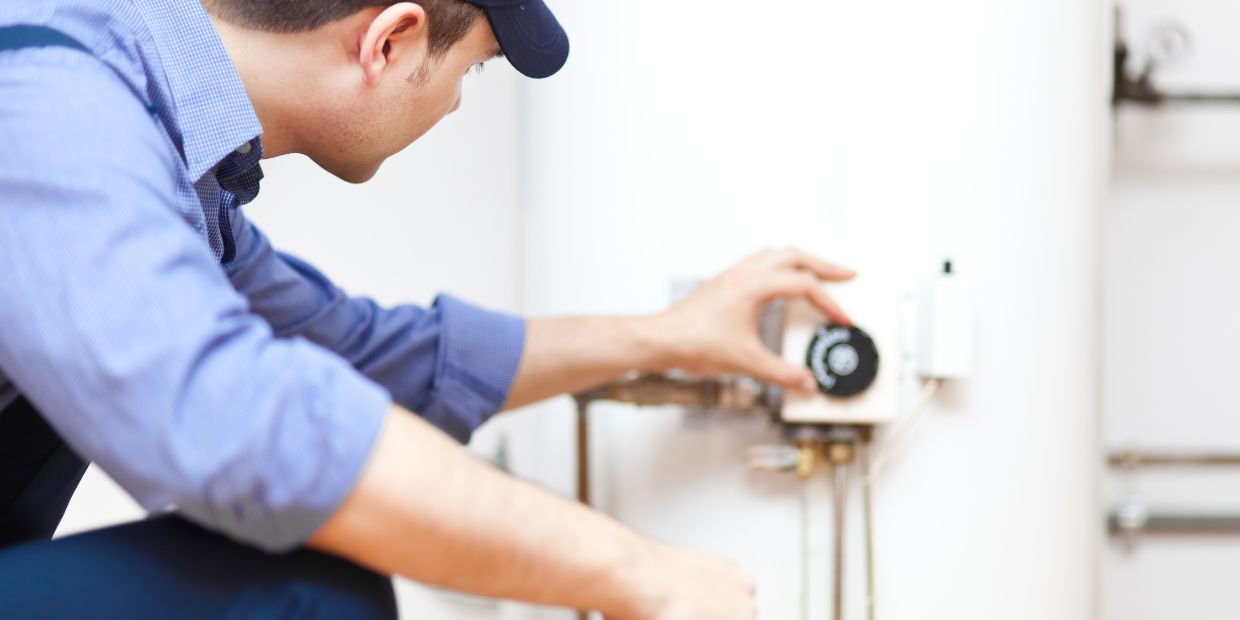
Your water heater’s thermostat controls the temperature of the water throughout your house. If it’s set too high or not working correctly, your hot water can get dangerously hot. A thermostat on the fritz might cause your heater to overheat water, making it too hot.

2. Sediment Build-Up

Over time, minerals like calcium and magnesium can build up in your hot water tank, especially if you live in an area with hard water. This mineral buildup can actually cover the heating element, causing it to overheat your water.

3. Broken Mixing Valve

Your mixing valve blends hot and cold water to keep the temperature in a safe range. If it’s not working correctly, it can cause your hot water to be hotter than it should be.

4. Faulty Water Heater Element

In electric water heaters, a heating element that’s faulty can stay on longer than it’s supposed to, heating your water way beyond what’s normal.

5. Incorrect Thermostat Setting

It could be that your water heater thermostat is simply set too high. Most homes and buildings are fine with a setting somewhere between 49°C (120°F) and 60°C (140°F). If yours is set higher, try turning it down a notch.

6. Pressure Relief Valve Failure

The pressure relief valve is a safety device on your water heater that lets out extra pressure from the hot water tank. If it’s not working properly, pressure can build up over time and cause your water to overheat.

7. Water Heater Size Mismatch

If your water heater is too small for the amount of hot water your house uses, it might be overworked, causing your water to be too hot. This can especially happen at times when your family uses a lot of hot water.

8. Cross-Connection Issues

Cross-connections between hot and cold water lines can cause hot water to come out much hotter than it should. Unless you have plumbing skills, you probably need a professional to diagnose and fix this issue.

9. Overuse of Hot Water

If your family uses a lot of hot water throughout the day, your water heater is probably constantly running, which can cause your water to overheat. This can happen especially with older water heaters and ones that aren’t big enough for the house.

10. Old or Failing Water Heater

An older water heater nearing the end of its lifespan can start acting out of whack, like overheating your water despite your thermostat settings. If your heater is getting up there in age, this could be a sign it’s time to replace it.

Final Thoughts

If your tap water is suddenly way too hot, don’t wait. Have a professional fix your hot water issues. Hot water can cause bad burns, especially if you have kids or elderly in the house. No matter what the cause, it’s important to get on top of it and keep your water temperature safe and comfortable.

Get Hot Water Help
Read more

Common Causes of a Leaking Shut Off Valve

Water Shut Off Valve Leaking When Open: Causes and Fixes

Your water shut-off valve is an important part of your plumbing system. This valve controls the flow of water to your sinks, toilets, and appliances. If you’ve noticed that yours leaks when it’s open, ignoring it is a bad idea. A leaky shut off valve can cause water damage in your home and hike up your water bill.

Knowing the most common causes and how to fix them is a great first step. In this blog post, we go over what the reasons might be, and what you can do about it.

Don’t want to read, just want solutions? Our expert plumbers have are here to support you. We have over 40 years of plumbing experience and will quickly diagnose and solve your leaky valve woes.

Get Water Valve Support
 
An isolated water shut off valve on a white background. Son-Rise Plumbing can replace valves like this for Calgary homeowners.

Let’s take a look at the main offenders for leaking valves:

1. Worn Out Packing Nut

The packing nut is a small but mighty piece of the shut-off valve. The packing nut’s job is to stop water from leaking around the valve stem. Over time, the packing nut can loosen, or the material inside it can wear out, and it will leak.

2. Damaged Valve Washer

Inside the valve, there’s a small rubber washer that helps seal the valve tightly when it’s closed. If this washer starts getting worn out, water can leak when the valve is open.

3. Corroded Valve Body

Corrosion is common in valves, especially in old homes with older plumbing systems. The body of the valve can rust over time, causing little cracks that let water trickle through when the valve is open.

4. Improper Installation

It could be that your valve wasn’t installed correctly. If it wasn’t seated or tightened properly when it was put in, this could be why it’s leaking.

How to Fix a Leaking Water Shut-Off Valve

A bathroom water shut-off valve under a bathroom sink. A hand is turning off the shut-off valve. Son-Rise plumbing can replace valves like this that wear out and leak over time.

1. Tighten the Packing Nut

If the leak is around the valve stem, try tightening the packing nut. Use a wrench to turn the nut clockwise a little bit. Don’t over-tighten! You can damage the valve with too much force.

2. Replace the Packing Material

If tightening the packing nut doesn’t work, the packing material inside might need to be replaced. First, shut off the main water supply. Then, remove the old packing material and replace it with new packing string or tape.

3. Replace the Washer

If the valve is leaking from the outlet, the washer inside might be the problem. You’ll need to take the valve apart to get to the washer and replace it. This is a simple job if you’re comfortable with plumbing, but if not, a plumber can do it for you.

4. Replace the Valve

If the leaking shut off valve is rusted or leaks even after repairs, you might just need to replace the whole valve. This involves turning off the main water supply, cutting out the old valve, and installing a new one. Some will be comfortable doing it themselves, but for most, it’s better to hire a professional to make sure it’s done right.

When to Call a Professional

While a few kinds of minor leaks can be fixed with a quick DIY repair, most are best left to a professional. If you have an old shut off valve, serious corrosion, or if the valve is hard to reach, calling in a licensed plumber can save you time and headaches.

Final Thoughts

If your water shut-off valve is leaking, get it fixed right away. For most people, calling in a professional is the most convenient and best way to go. You’ll know you won’t have to worry about your valve for many years to come with a professional replacement. Son-Rise Plumbing is able to quickly and easily replace any worn-out valves— so give us a call and we’ll ensure you will no longer have to worry about leaky, dripping valves.

Get Water Valve Help
Read more

Understanding the benefits of a backflow prevention system

Have you ever heard of a backflow prevention system? It may not be a topic that comes up in everyday conversation, but it’s an essential component of a well-functioning plumbing system. Understanding the benefits of a backflow prevention system can help you safeguard your water supply and protect the health of your family. So, let’s dive in and explore why this system is so important.

What is backflow?

To grasp the significance of a backflow prevention system, let’s first understand what backflow is. Backflow occurs when the flow of water in your plumbing system reverses, causing non-potable water (contaminated or used water) to flow back into the clean water supply. This reversal can happen due to changes in water pressure such as a water main break, water line repair, or high-water demand.

The dangers of backflow

Backflow poses significant health risks because it can contaminate the clean water supply with harmful substances, chemicals, bacteria, or waste. Imagine the potential consequences if wastewater, pesticides, fertilizers, or other pollutants entered your drinking water. It can lead to serious illnesses and pose a threat to the well-being of everyone in your household.

The benefits of a backflow prevention system

Protects water quality

The primary benefit of a backflow prevention system is that it ensures the integrity and safety of your water supply. By installing a backflow prevention device, you create a barrier that prevents contaminated water from flowing back into the clean water system. It acts as a safeguard, protecting your family from potential health hazards.

Complies with regulations

Many municipalities require the installation of backflow prevention systems to comply with local plumbing codes and regulations. These regulations are in place to safeguard public health and maintain the integrity of the water supply. By having a backflow prevention system installed, you ensure that you meet these requirements and contribute to a safer community.

Prevents costly damage

Backflow incidents can cause extensive damage to your plumbing system, appliances, and property. The contaminated water can corrode pipes, ruin fixtures, and damage appliances like washing machines or water heaters. The cost of repairs and replacements can quickly add up. By investing in a backflow prevention system, you mitigate the risk of damage and save yourself from expensive repairs in the long run.

Provides peace of mind

Having a backflow prevention system in place gives you peace of mind knowing that your water supply is protected. You can enjoy clean and safe water for drinking, cooking, bathing, and all other household activities. It eliminates worries about potential contamination and allows you to focus on the well-being of your family.

Consult with a professional

To reap the full benefits of a backflow prevention system, it’s essential to consult with a professional plumber or backflow prevention specialist. They can assess your specific needs, determine the appropriate type of backflow prevention device, and ensure proper installation and maintenance.

Remember, when it comes to protecting your water supply and maintaining a healthy home, a backflow prevention system is a wise investment. It offers peace of mind, complies with regulations, and safeguards your water quality. By taking this proactive step, you contribute to a safer and healthier environment for you and your loved ones.

Do you have a backflow system? Need help finding it or installing one? Call the Son-Rise Plumbing crew at 403.474.0859.

We are plumbing professionals with years of experience and we are always available to help you! And remember, we’re not happy until YOU are happy!

Read more

Understanding the different types of water heaters

When it comes to hot water, having a reliable and efficient water heater in your Calgary home is essential. However, with so many options available, it can be overwhelming to choose the right one for your needs. Understanding the different types of water heaters can help you make an informed decision. So, let’s explore the options and find out which one suits you best.

Conventional storage tank water heater

The conventional storage tank water heater is the most common type found in households. It consists of a large tank that stores and heats water. These tanks are available in various sizes, typically ranging from 20 to 80 gallons. Cold water enters the tank, is heated by gas or electricity, and remains stored until needed. When hot water is used, cold water enters the tank to be heated again.

Here are the pros and cons of storage tank water heaters in Alberta:

  • Pros: Affordable initial cost, wide availability, suitable for moderate to high hot water demand
  • Cons: Limited hot water supply, standby heat loss, larger physical footprint

Tankless water heater

Tankless water heaters, also known as on-demand water heaters, provide hot water instantly without the need for a storage tank. They heat the water directly as it passes through the unit using gas or electricity. Tankless water heaters are compact, wall-mounted systems that heat water on demand, offering an endless supply of hot water. Tankless water heater repair and install processes are slightly different to tank models, and have different life spans.

Here are the pros and cons of tankless water heaters in Alberta:

  • Pros: Energy-efficient, endless hot water supply, space-saving design, longer lifespan
  • Cons: Higher upfront cost, limited flow rate for simultaneous use, may require additional units for large households

Heat pump water heater

Heat pump water heaters use electricity to transfer heat from the air or ground to heat the water. They work like a refrigerator in reverse, extracting heat from the surrounding environment and using it to heat the water. These systems are highly energy-efficient and can significantly reduce water heating costs.

Here are the pros and cons of heat pump water heaters in Alberta:

  • Pros: Energy-efficient, low operating costs, environmentally friendly
  • Cons: Higher upfront cost, require a suitable location with enough surrounding air or ground temperature, may not perform well in cold climates

Solar water heater

Solar water heaters utilize the sun’s energy to heat the water. They consist of solar collectors that capture the sun’s heat and transfer it to the water in a storage tank. Solar water heaters can be active (using pumps or fans to circulate water) or passive (relying on natural convection).

  • Pros: Renewable energy source, reduces energy bills, environmentally friendly
  • Cons: Higher upfront cost, dependent on sunlight availability, may require a backup system for cloudy days or high hot water demand

Condensing water heater

Condensing water heaters are a type of tankless water heater that utilizes advanced technology to maximize energy efficiency. They extract heat from exhaust gases and use it to preheat the incoming cold water, reducing energy waste and improving efficiency.

  • Pros: Energy-efficient, lower operating costs, reduced environmental impact
  • Cons: Higher upfront cost, may require additional venting modifications

Choosing the right water heater

To select the right water heater for your home, consider factors such as your hot water needs, available energy sources, budget, and space limitations. Consulting with a professional plumber can provide valuable guidance based on your specific requirements.

Remember, understanding the different types of water heaters empowers you to make an informed decision. Whether you opt for a conventional storage tank or tankless water heater, selecting the right system will ensure you have a reliable supply of hot water while optimizing energy efficiency and cost savings.

If you’d like help sorting through the choices, call the Son-Rise Plumbing crew at 403.873.2597.
We are plumbing professionals with years of experience and we are always available to help you. And remember, we’re not happy until YOU are happy!

Read more

How to save water and money with efficient plumbing

Are you looking for ways to conserve water and cut down on your utility bills? Efficient plumbing is the key. Not only will you be doing your part for the environment, but you’ll also reduce expenses. Let’s dive in and explore some practical tips on how to save water (and money) with efficient plumbing.

Fix Those Leaks

Leaky faucets and pipes may seem minor, but they can waste a significant amount of water over time and that steady drip-drip-drip can add up quickly! Take the time to inspect your plumbing fixtures regularly and promptly fix any leaks you discover. You’ll be amazed at how much water and money you can save by taking care of these small repairs. If you have Poly B piping in your Calgary home, you may want to replace it as there are many opportunities for leaks and cracks.

Install Low-Flow Fixtures

Upgrading to low-flow fixtures is a smart investment that pays off in the long run. These fixtures, such as low-flow showerheads and toilets, are designed to use less water without compromising performance. By installing them in your home, you can reduce water consumption without sacrificing comfort or convenience. It’s a win-win situation for both your wallet and the planet.

Opt for Water-Efficient Appliances

When thinking about replacing appliances, consider choosing water-efficient options. Look for washing machines, dishwashers, and other appliances with high energy and water efficiency ratings. These appliances are specifically designed to use less water while still delivering top-notch performance. This choice will reduce both water and energy consumption, resulting in greater savings over time.

Embrace Rainwater Harvesting

Why let all that rainwater go to waste? Rainwater harvesting is an excellent way to save water and reduce your reliance on the municipal supply. Install a rain barrel or a more extensive rainwater collection system to capture rainwater from your roof. You can use this water for tasks like watering your garden, washing your car, or even flushing your toilets. It’s a fantastic way to make the most of a free and abundant resource that will also reduce your water bill.

Be Mindful of Water Usage

Sometimes it’s the little things that make a big difference. Practicing mindful water usage can significantly impact your water consumption. Simple actions like turning off the faucet while brushing your teeth, taking shorter showers, and only running full loads in your dishwasher or washing machine can lead to substantial water savings over time. Encourage your family members to adopt these habits too, and you’ll see see a significant difference in your water bill.

Consider a Water Audit

If you’re truly committed to maximizing water efficiency in your home, a professional water audit can be an informative starting point. A water audit involves an expert assessing your plumbing system, fixtures, and water usage patterns. They can identify areas where you can improve efficiency and suggest customized solutions tailored to your home’s needs. It’s a great way to gain valuable insights and make targeted changes that will in turn save both water and money over time.

Efficient plumbing is within reach, and by incorporating these practical tips, you can start saving water and reducing expenses immediatly. Remember, every drop counts, and every dollar saved adds up over time. So, let’s take action today and make a positive impact on both our environment and our wallets.

Read more

Why is sump pump maintenance so important

Installing a sump pump is a smart move if you want to keep your property safe from flooding or burst pipes. Sump pump maintenance is important if you want your pump to work when you need it most.

Whether you have never had to use your sump pump or you have had to use it more often than you’d like, you want to keep this vital piece of safety equipment in full working order.

Luckily, maintaining your sump pump is nice and simple. Here’s everything you need to know:

When should I maintain my sump pump?

The best sump pump spends its time sitting quietly in your basement, waiting to act. This is great for you, as you rarely have to think about it.

Unfortunately, this also means you may not notice immediately if something goes wrong. You should put full sump pump maintenance in your calendar every year and aim to do some quick basic maintenance every quarter too.

Why is sump pump maintenance so important?

  1. Safety – your sump pump might not need to act very often, but when it does you want to be sure it’s going to work.
  2. Pumping efficiency – when you do need your sump pump to start working, you’ll want it to work as fast as possible to keep your home free from water. A poorly maintained pump may not do the job fast enough.
  3. Service life – if you don’t want to have to replace your pump, keeping it in good working order is the best strategy. Ignored pumps are much more likely to break down.

How to maintain a sump pump

1) Do some quick quarterly maintenance

Every season, it’s best to check in with your pump and do a few simple bits of maintenance:

  1. Disconnect the power supply.
  2. Check for any obvious damage or problems.
  3. Remove and clean the pump inlet screen or opening.
  4. Reconnect the power supply.
  5. Test that the sump pump is working by pouring 20 litres of water into the sump pit, ensuring the pump activates to pump out the water.

2) Carry out proper maintenance every spring

Once per year, expand that quick check to full maintenance. You can do this at any time of year, but the start of spring tends to be best because that’s when your sump pump will see its heaviest use.

  1. Disconnect the power supply.
  2. Extract your sump pump from its pit.
  3. Clear the pit and the grate and clean the pump itself.
  4. Grease any bearings if your manufacturer’s instructions say they need it.
  5. Check the power cord and power source for damage.
  6. Check that the drainage pipes that take the water away from your home are sealed and that the final discharge pipe is clear and empties out far enough away.
  7. Place your sump pump back in its pit. Make sure it’s correctly positioned and level.
  8. Reconnect the power supply.
  9. Test that the sump pump is working by pouring 20 litres of water into the sump pit, ensuring the pump activates to pump out the water.

Common sump pump problems

If you’re investigating sump pump maintenance because you’re experiencing a problem and regular maintenance procedures haven’t fixed it, there are a few things you can check for:

  1. Sump pit water level – It is common to find a few inches of water in the bottom of your sump pit and the pump only turns on when water reaches the float switch.
  2. Power problems – most sump pumps are electrically powered. Check obvious problems like the wall plug coming out of the socket or damaged wires.
  3. Jammed float – sometimes your pump’s float will get stuck. This is one of the most common sump pump problems and can usually be easily rectified.
  4. Your sump pump won’t turn off – many things may lead to your sump pump being in constant use. Both sump pit water level and jammed floats can cause this. A constantly running sump pump or a full pit could mean parts of your sump pump are working improperly.

For some problems, calling in a professional is the only solution. When you do, be sure to call on a reputable local company with the experience needed to handle your sump pump maintenance and repair.

Got a sump pump problem that maintenance isn’t fixing?

Contact us! Son-Rise Plumbing has been giving Calgary residents a safe, dependable way to deal with its plumbing problems since 1983.

Get in touch today. Let us know about your sump pump problems or anything else our experienced professional plumbers can help you with

Read more