How Long Do Water Heaters Last in Canada?

Your Calgary hot water heater is one of the hardest-working appliances in your home, and also one of the most important.

And like all appliances, your hot water heater will only last for so long, even with regular maintenance and repairs. In Canada, the colder climate and high water mineral content can affect how long a water heater will continue to work efficiently.

Knowing not only how long water heaters last, but also how to recognize the signs of a water heater nearing the end of its life, can help you to start planning for a replacement.
In this guide, we’ll go over everything you need to know about how long hot water heaters, both tank and tankless, can be expected to last in Canada.

Average Lifespan of Hot Water Tanks

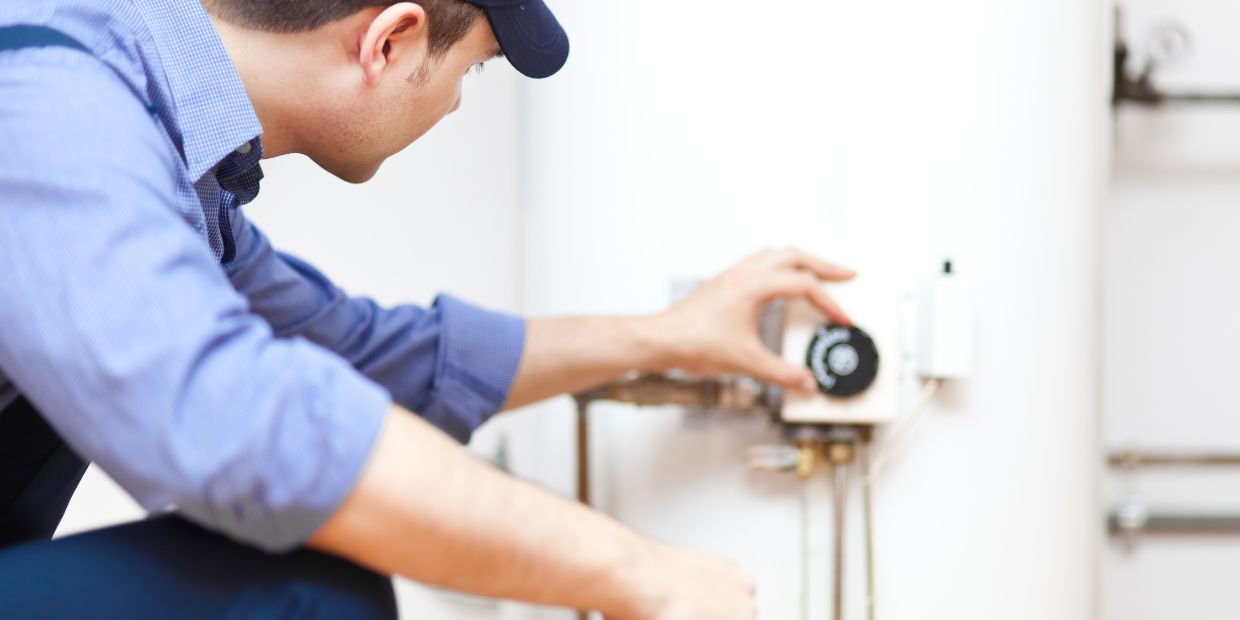
A traditional tank water heater in Canada should last between 8 and 12 years. Hot water tanks keep water hot and ready for when it’s needed. Over time, exposure to mineral deposits, frequent heating cycles, and natural wear and tear cause them to heat water less efficiently. The quality of your water, how often you flush it, and how often you use hot water can all affect the lifespan.

Draining the tank and regular maintenance can help a water heater to last longer. That said, if your water heater is over 10 years old, it’s a good idea to start thinking about a replacement, even if it still works.

In areas with hard water, such as Calgary, a water heater may not last as long as average because of constant mineral buildup. We suggest installing a water softener in your Calgary home to prevent mineral buildup.

Average Lifespan of Tankless Water Heaters

Tankless or on-demand water heaters will last longer, with most lasting between 15 and 20 years. These water heaters have less wear and tear, only heating water when needed. They still need regular maintenance such as descaling to remove mineral buildup. The fact that they last longer can make tankless water heaters a more economical choice in the long run, even with the higher up-front cost.

How To Check the Age of Your Water Heater

To check the age of your water heater, find the manufacturer’s label or sticker on the unit. This label should have the serial number, with the first few digits indicating the month and year it was made. Sometimes the serial number will begin with a letter and two numbers, for example, “A08” will mean January 2008. If yours isn’t clear, call your manufacturer and give them your serial number, and they’ll be able to tell you what year yours was built.

Signs Your Hot Water Tank Needs Replacement

If you think your water heater might be getting close to the end, keep an eye out for these signs.

  • Noisy Water Heater: Rumbling or popping sounds when it’s heating water can be caused by sediment buildup at the bottom of the tank. A hot water tank making these noises is a sign it’s struggling to heat water.
  • Water Too Hot: If your water is suddenly hotter than usual, you might have a faulty thermostat or heating element.
  • Old Water Heater: Once your water heater gets up over 10 years, you can expect to have to replace it soon.
  • Pilot Light Keeps Going Out: For gas-powered water heaters, a pilot light that keeps going out may mean you have a failing thermocouple or gas control valve.
  • Leaking Water Heater: If you have a hot water tank with leaks around the base, that’s a clear sign it’s time for a replacement.

What Shortens Your Water Heater Lifespan?

A few factors can cause your water heater to need a replacement earlier than its expected time.

  • Weather: In Canada, extremely cold winters can put a strain on hot water heaters. Insulating your pipes can help mitigate this a bit, but it’s still going to have an effect.
  • Lack of Maintenance: Not maintaining your water heater and forgetting to check for corrosion and have it inspected will lead to it eventually breaking down a lot quicker.
  • Not Flushing Your Tank: Forgetting to flush your tank at least once a year will cause a buildup of sediment that acts as a barrier between the heating element and the water in the tank. This makes your water heater work overtime.

Get Water Heater Services with Son-Rise

Don’t wait until your hot water heater breaks down.

Contact Son-Rise Plumbing today to schedule your water heater service and relax knowing your water heater is in the best hands possible.

With nearly 40 years of hot water tank maintenance experience in Calgary, respectful and certified technicians, and a 100% satisfaction guarantee, we’re here to put your mind at ease. We service, repair, and install both tank and tankless water heaters.

Request an on-site quote today or give us a call to talk to one of our specialists!

Read more

The Cold Weather Is Coming… Is Your Home Prepared?

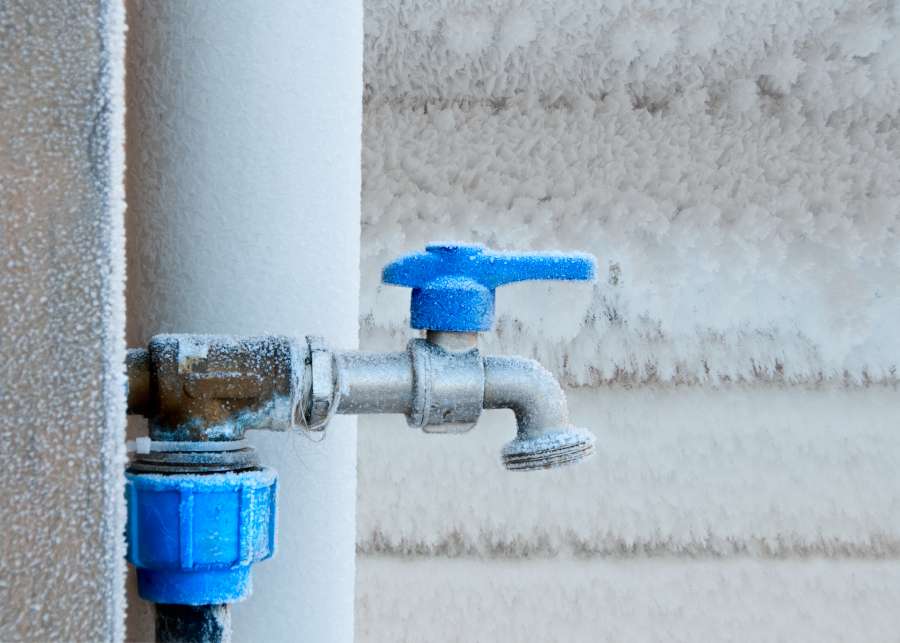
As the chill of the winter months descends upon Calgary, Alberta, it’s crucial to prepare your home’s plumbing for the impending winter. Calgary’s unique climate, with its frigid temperatures, rapid melt/freeze spells, and heavy snowfall, demands special attention to your plumbing system. Although we are set to experience an El Niño year, that doesn’t mean you should neglect winterizing your home, as mild cold can still cause damage. Here are some comprehensive steps to ensure your home’s plumbing is well-prepared for the winter season:

1. Secure Outdoor Faucets: In Calgary, where temperatures can plunge dramatically, it’s essential to switch off your outdoor faucets. This action allows any residual water to drain out, preventing the risk of freezing and potential pipe bursts.

2. Insulate Vulnerable Pipes: Calgary’s winters can be harsh, and all hidden pipes, especially those in garages, attics, or crawl spaces, are at risk of freezing. To combat this, use heat cables along the pipes and cover them with insulation. This extra layer of protection is vital in maintaining the integrity of your plumbing during Calgary’s intense cold spells.

3. Open Cabinet Doors: During Calgary’s prolonged cold periods, opening your cabinet doors can greatly reduce the risk of indoor pipes freezing. This simple action allows warmer air to circulate around the pipes, providing an added layer of defense against the cold.

4. Thorough Exterior Inspection: Conduct a meticulous examination of your home’s exterior, looking for any visible cracks or gaps. In Calgary, where winter winds can be piercing, these cracks can let in cold air, increasing the risk of frozen pipes. Seal any discovered cracks promptly to safeguard your home.

5. Regular Maintenance: Regular checks on the condition of your pipes and water heaters can prevent costly and inconvenient winter emergencies. Calgary’s climate can be unpredictable, so staying proactive with your plumbing maintenance is key. This is the best way to prevent pipe bursts and needing water heater repair or replacement in Calgary.

6. Professional Assistance: At Son-Rise Plumbing & Gasfitting, we’re equipped to ensure your plumbing withstands Calgary’s winter. Our team of experts provides upfront pricing quotations, eliminating surprises on your bill. Whether it’s routine maintenance or emergency repairs, our skilled professionals are ready to assist.

7. Emergency Plumbing Services: If faced with a plumbing emergency, don’t hesitate to contact Son-Rise Plumbing at 403-474-0859. Our experienced crew is available to provide swift, reliable solutions. Remember, we prioritize your satisfaction, and we’re not content until you are.

By following these guidelines and leveraging the expertise of Son-Rise Plumbing & Gasfitting, you can confidently navigate Calgary’s winter season, knowing your home’s plumbing is secure and efficient!

Read more

Understanding the different types of water heaters

When it comes to hot water, having a reliable and efficient water heater in your Calgary home is essential. However, with so many options available, it can be overwhelming to choose the right one for your needs. Understanding the different types of water heaters can help you make an informed decision. So, let’s explore the options and find out which one suits you best.

Conventional storage tank water heater

The conventional storage tank water heater is the most common type found in households. It consists of a large tank that stores and heats water. These tanks are available in various sizes, typically ranging from 20 to 80 gallons. Cold water enters the tank, is heated by gas or electricity, and remains stored until needed. When hot water is used, cold water enters the tank to be heated again.

Here are the pros and cons of storage tank water heaters in Alberta:

  • Pros: Affordable initial cost, wide availability, suitable for moderate to high hot water demand
  • Cons: Limited hot water supply, standby heat loss, larger physical footprint

Tankless water heater

Tankless water heaters, also known as on-demand water heaters, provide hot water instantly without the need for a storage tank. They heat the water directly as it passes through the unit using gas or electricity. Tankless water heaters are compact, wall-mounted systems that heat water on demand, offering an endless supply of hot water. Tankless water heater repair and install processes are slightly different to tank models, and have different life spans.

Here are the pros and cons of tankless water heaters in Alberta:

  • Pros: Energy-efficient, endless hot water supply, space-saving design, longer lifespan
  • Cons: Higher upfront cost, limited flow rate for simultaneous use, may require additional units for large households

Heat pump water heater

Heat pump water heaters use electricity to transfer heat from the air or ground to heat the water. They work like a refrigerator in reverse, extracting heat from the surrounding environment and using it to heat the water. These systems are highly energy-efficient and can significantly reduce water heating costs.

Here are the pros and cons of heat pump water heaters in Alberta:

  • Pros: Energy-efficient, low operating costs, environmentally friendly
  • Cons: Higher upfront cost, require a suitable location with enough surrounding air or ground temperature, may not perform well in cold climates

Solar water heater

Solar water heaters utilize the sun’s energy to heat the water. They consist of solar collectors that capture the sun’s heat and transfer it to the water in a storage tank. Solar water heaters can be active (using pumps or fans to circulate water) or passive (relying on natural convection).

  • Pros: Renewable energy source, reduces energy bills, environmentally friendly
  • Cons: Higher upfront cost, dependent on sunlight availability, may require a backup system for cloudy days or high hot water demand

Condensing water heater

Condensing water heaters are a type of tankless water heater that utilizes advanced technology to maximize energy efficiency. They extract heat from exhaust gases and use it to preheat the incoming cold water, reducing energy waste and improving efficiency.

  • Pros: Energy-efficient, lower operating costs, reduced environmental impact
  • Cons: Higher upfront cost, may require additional venting modifications

Choosing the right water heater

To select the right water heater for your home, consider factors such as your hot water needs, available energy sources, budget, and space limitations. Consulting with a professional plumber can provide valuable guidance based on your specific requirements.

Remember, understanding the different types of water heaters empowers you to make an informed decision. Whether you opt for a conventional storage tank or tankless water heater, selecting the right system will ensure you have a reliable supply of hot water while optimizing energy efficiency and cost savings.

If you’d like help sorting through the choices, call the Son-Rise Plumbing crew at 403.873.2597.
We are plumbing professionals with years of experience and we are always available to help you. And remember, we’re not happy until YOU are happy!

Read more

Pipe Inspection: Why do you need to schedule one?

Your home is often your greatest asset, so protect your investment. Be proactive and book a pipe inspection today. Routine and regular plumbing maintenance will save you in the long term, allowing you to detect minor issues before they become big problems.

Here are a few more reasons why scheduling a pipe inspection will help your home in the long run:

Prevent blockages

Drain blockages don’t happen overnight. Debris slowly accumulate over time and clog pipes in even the cleanest homes. When a drain is blocked, the water accumulates in the pipes and develops a pungent odor in the air surrounding the drain. Are you noticing a smell? A pipe inspection will identify these blockages and have them cleared quickly, before it becomes a problem.

Keep pipes efficient

Your pipes are connected to large appliances, amenities and vital rooms throughout your home. Highly efficient homes translate to low utility bills. For example, if your pipes are clogged, the water is not flowing properly, which means you leave the tap on and run the water longer. Your increased water usage will cost you. Regular maintenance can ensure your home’s pipes are running efficiently, and the one-time cost of an inspection will save you money when that monthly bill comes.

Identify hidden damage

Generally, your pipes are hidden behind flooring and walls which means you can’t see a minor crack or leak in them. A routine video pipe inspection will identify these cracks or leaks and allow for a plumber to fix them before they turn into bigger issues. For example, Calgary Poly B replacements are on the rise due to deteriorating and leaking.

Discover future problem areas

Pipes tend to develop more issues over time. Regular pipe inspection will allow you to monitor the degradation of your pipes and give you notice as to when they may need repairing or replacing.

Read more

The things you should NEVER flush down the toilet

There are many things you should never flush down the toilet.

In fact, if you’re looking for a basic rule, there are really only two things that should be flushed down the toilet (with some accompanying toilet paper).

If you want to avoid blockages in your wastewater system and not rely on Calgary toilet repair, here are some things that should never be flushed.

What should never be flushed down the toilet?

1) Baby and personal hygiene wipes

Toilet paper dissolves in water. Baby and personal hygiene wipes – even “flushable” ones – do not. Instead, they snag on parts of the sewer system and conglomerate with other unflushables.

If you live in Calgary, this problem has hit the news more than once. It was reported in July 2022 that local people called to report emergency blockages over 7200 times in the preceding year.

The culprit was almost always wipes or other unflushable items. Do not flush hygiene wipes of any kind down the toilet if you want to keep it working.

2) Cotton products

Products like cotton pads or Q-Tips also don’t break down like toilet paper does.

Throwing these down the toilet will eventually clog the system. This will only lead to expenditure for you and probably the city too.

3) Feminine hygiene products

More than simply not breaking down, feminine hygiene products like tampons and pads are actively designed to efficiently absorb liquid.

This means they’re perfect for blocking the sewer system if flushed down the toilet. The proper place for these is the garbage.

4) Diapers

Like feminine hygiene products, diapers absorb and contain liquids rather than break down in them.

Plus, diapers can be of a significant size compared to the diameter of the pipes they’re being flushed through.

5) Contraceptives

One more type of product commonly flushed when it shouldn’t be are condoms and other contraceptives.

It should go without saying that, yet again, these are not designed to break down when exposed to liquid. It only takes one to start a clog.

6) Paper towels and tissues

You might be forgiven for thinking you’re on safe ground flushing paper towels or tissues. After all, it’s all just paper, right?

Sadly, no. Different kinds of paper break down in different ways. Even if you have to use paper towels or tissues in relation to toilet activities, don’t flush them.

7) Dental floss

Dental floss also seems like it could be pretty harmless to flush. Unfortunately, it can:

  1. Become an unflushable net – strands of dental floss get twisted around other unflushable items, netting them and blocking pipes.
  2. Do environmental damage – dental floss is non-biodegradable and designed not to tear. If it reaches the ocean it can even suffocate marine creatures. Don’t flush it.

8) Medications

Only in the movies do people flush drugs and medication down the toilet with zero consequences.

In real life, medication doesn’t break down. Instead, it stays in the water, potentially making it toxic.

The simplest rule to follow with toilets is the “Three Ps”. Pee. Poo. Paper. Essentially everything else are things you should never flush down the toilet.

Struggling with a blocked toilet?

Get in touch with us for a swift, convenient fix. Calgary residents have trusted Son-Rise Plumbing & Gasfitting with all their plumbing since 1983.

Read more